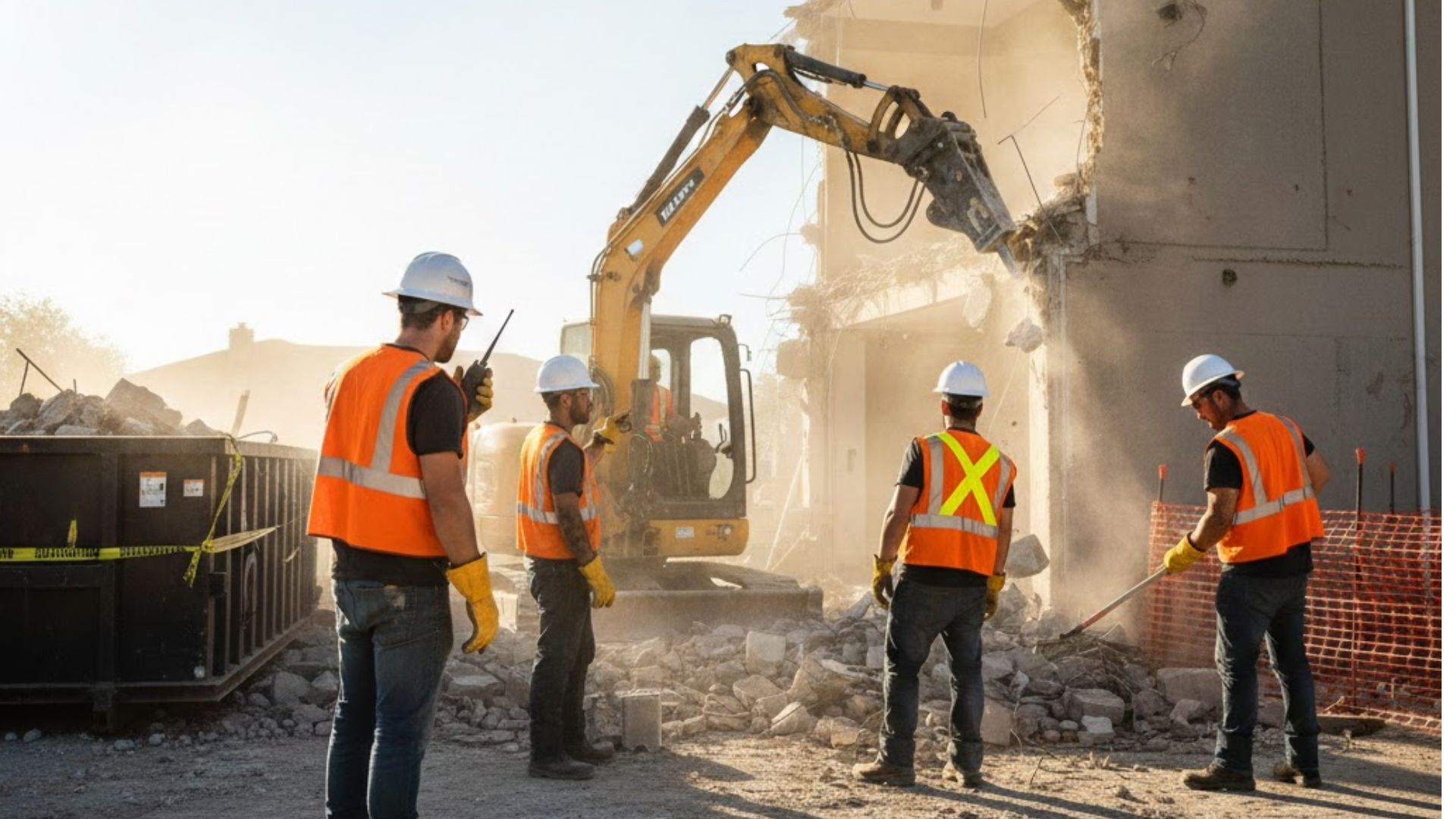
Demolition often gets reduced to a single image in people’s minds: a building coming down in a dramatic cloud of dust. But in reality, demolition is far more nuanced, controlled, and strategic than that. The method used to take down a structure depends on safety, surrounding properties, environmental concerns, timelines, and long-term project goals. Choosing the wrong approach can lead to delays, added risk, or damage you did not anticipate.
If you are a property owner or project manager, it is normal to feel skeptical when someone says, “We can demo it fast.” Fast is not the same as safe, compliant, or accurate. In the real world, demolition is often a careful sequence of steps: verifying utilities, confirming structural conditions, controlling dust, protecting the public, and removing materials in a way that supports what comes next. That is why professional demolition services start with assessment and planning, not equipment.
At Lazer Companies LLC, we have worked on projects where precision mattered just as much as power. From selective interior demolition to full structural takedowns, every project starts with one key question: what method makes the most sense here? Understanding the different types of demolition methods helps property owners, developers, and contractors make informed decisions before work begins. If you are researching demolition services, this guide will walk you through the most common methods, how they are used, and why professional planning matters.
A helpful way to think about it is this: demolition services should match the structure, the site constraints, and the next phase of construction. The “right” method is the one that removes what needs to go, preserves what must stay, and keeps the project safe and predictable.
What Are The Different Types Of Demolition Methods?
The different types of demolition methods include manual demolition, mechanical demolition, selective demolition, implosion, and deconstruction. Manual demolition uses hand tools for small or interior projects, while mechanical demolition relies on heavy equipment like excavators for larger structures. Selective demolition removes specific parts of a building while preserving others, often for renovations.
Implosion strategically weakens key structural supports to collapse a structure inward, typically used for large buildings in controlled environments. Deconstruction focuses on dismantling structures carefully to salvage materials. The right method depends on safety, location, structure size, and project goals. Professional demolition services help ensure the method is chosen and executed with proper planning, permits, and controls.
What Are The Different Methods Of Demolition?
Demolition methods generally fall into several categories, each suited to specific project needs.
Manual demolition involves hand tools and small equipment. It is ideal for small structures or interior spaces where precision is required. It is also common when access is tight, when noise and vibration must be minimized, or when crews need to remove materials carefully around systems that remain in service.
Mechanical demolition uses heavy machinery like excavators, loaders, bulldozers, and attachments such as breakers, shears, or grapples. It is the most common approach for many commercial and structural projects because it can be efficient and consistent when the site allows safe equipment movement.
Implosion is a highly specialized method where explosives are used to collapse a structure inward. It is not used simply because it looks dramatic. It is used when engineers determine a controlled collapse is the safest and most predictable option for a specific structure and site.
Selective demolition removes targeted components while keeping the rest of the structure intact. It is often used during remodels, tenant improvements, or phased redevelopments.
Deconstruction focuses on dismantling structures carefully to salvage reusable materials. It is sometimes called green demolition. It can be a smart fit when sustainability goals are important or when specific materials are valuable for reuse.
Each method requires different expertise, safety planning, and permitting, which is why working with experienced demolition services is essential. The goal is not just removal. The goal is controlled removal that supports the next build phase.
What Types Of Demolition Techniques That Key Structural Members Are Weakened Or Removed Causing The Whole Part Of The Structure To Collapse
This description refers to implosion demolition, one of the most complex and tightly controlled methods. In implosion, engineers strategically weaken or remove key load-bearing elements using explosives so the building collapses inward on itself. It is a method that demands precise structural analysis, detailed sequencing, and strict safety controls.
Implosion is typically reserved for large structures like stadiums, high-rises, or industrial facilities where the site layout can support a controlled collapse zone. It also requires extensive coordination with local authorities, safety teams, and surrounding stakeholders. According to OSHA, demolition involving structural collapse must follow strict safety and engineering standards. Professional demolition services that perform or coordinate implosion typically work with specialized partners and follow rigorous protocols from planning through post-collapse cleanup.
For most projects, implosion is not necessary. That is why good demolition services help owners understand when implosion makes sense and when a different approach will deliver a safer, cleaner outcome.
What Is The Method Statement For Demolition?
A demolition method statement is a detailed plan that outlines how demolition work will be carried out safely and efficiently. It includes information about the structure, the chosen demolition method, equipment used, safety measures, waste handling, dust control, noise considerations, and environmental controls. It also typically defines sequencing, exclusion zones, emergency procedures, and responsibilities on site.
This document ensures everyone involved understands the workflow and potential hazards. For property owners, it is also a trust signal. A thorough method statement shows the contractor is thinking beyond “knock it down” and focusing on controlled execution. At Lazer Companies LLC, method statements are a core part of responsible demolition services because they help prevent accidents, reduce surprises, and keep the project coordinated with other trades.
If you are reviewing demolition services proposals, ask to see an example method statement. Even a sample can tell you a lot about how the contractor approaches planning and safety.
What Is The Selective Demolition Method?
Selective demolition focuses on removing specific parts of a structure while leaving others intact. This method is commonly used during renovations, tenant improvements, partial rebuilds, or when a building is being reconfigured rather than fully removed.
Instead of tearing everything down, selective demolition preserves structural elements, utilities, architectural features, or building components that will be reused. That might include keeping a concrete slab while removing interior framing, preserving exterior walls while replacing roof systems, or maintaining critical mechanical rooms while updating adjacent spaces.
Selective demolition requires precision, experience, and coordination with other trades. It often involves careful separation of materials, controlled removal around live systems, and close communication with the design and build teams. Professional demolition services that specialize in selective work typically emphasize protection, cleanliness, and sequencing so the next phase can start without unnecessary repairs.
Manual Demolition For Precision Work
Manual demolition uses hand tools and small equipment to carefully dismantle parts of a structure. It is ideal for interior spaces, historic buildings, or areas where vibration and noise must be minimized. Manual work is also common when demolition must happen in occupied buildings or where access for large equipment is limited.
A skeptical property owner might ask, “Why not just bring in a machine and finish faster?” The answer is control. Manual demolition can protect adjacent finishes, structural elements, and systems that must remain. It can also support safer removal of materials in tight areas like stairwells, utility corridors, or partial tenant spaces.
When manual demolition is part of the plan, demolition services teams usually pair it with strong containment practices, like barrier systems, negative air, and clear debris routes. Done well, manual demolition keeps the rest of the site cleaner and reduces disruption.
Mechanical Demolition For Speed And Efficiency
Mechanical demolition is the most common method for large-scale projects. Heavy machinery allows structures to be dismantled quickly, but it requires careful planning to ensure safety and debris control. The site needs adequate space for equipment movement, stable ground conditions, and clear exclusion zones.
Mechanical demolition may include excavators with specialized attachments to break concrete, shear steel, or grab and sort debris. This method is often chosen for warehouses, commercial buildings, and structures where a full takedown is planned.
The key is controlled sequencing. Responsible demolition services do not simply push a building over. They dismantle it in a planned order, managing debris flow, controlling dust, and protecting nearby utilities and structures. A well-run mechanical demolition site looks organized, not chaotic.
Deconstruction And Material Salvage
Deconstruction prioritizes sustainability by salvaging materials like wood, steel, fixtures, and architectural elements. While slower than mechanical demolition, it can significantly reduce landfill waste and support reuse goals.
Deconstruction is also useful when a project requires careful separation of materials, such as removing valuable timber, specialty metals, or reusable architectural components. It can be paired with selective demolition when only parts of a structure are being removed.
If sustainability, material reuse, or community impact matters in your project, ask whether demolition services can include a deconstruction plan. Even partial deconstruction, such as salvaging fixtures or high-value materials, can reduce waste and improve site organization.
Safety And Environmental Considerations
All demolition methods must address dust control, debris management, and worker safety. Proper planning protects surrounding properties, the environment, and everyone on-site. Dust is not just a nuisance. It can affect visibility, neighboring operations, and air quality. Debris is not just waste. It is a logistics challenge that can create hazards if not handled correctly.
Safety planning often includes exclusion zones, spotters for equipment, proper personal protective equipment, and clear communication protocols. It also includes verifying utility disconnects and ensuring hazardous materials are identified and handled appropriately.
Environmental considerations often include erosion control, stormwater protection, and responsible disposal practices. The best demolition services teams treat these as part of the job, not as add-ons.
If you want to evaluate demolition services through a practical lens, focus on these questions: How will dust be controlled? How will debris be staged and removed? How will the site be secured? How will neighbors and surrounding businesses be protected? Clear answers indicate a contractor who is prepared.
Final Thought
Demolition is far more than knocking things down. It is a technical process that sets the stage for everything that follows. Choosing the right demolition method protects safety, timelines, and future construction goals. Whether the project calls for selective removal or full structural takedown, informed decisions make all the difference.
At Lazer Companies LLC, we approach demolition with planning, precision, and respect for the bigger picture. When you work with experienced demolition services, you are not just removing a structure. You are preparing the ground for what comes next. The right demolition services support a cleaner handoff, fewer delays, and a site that is truly ready for the next phase.
If you are planning a demolition project and want expert guidance on the best method for your site, contact Lazer Companies LLC today. We are happy to explain your options, outline the process clearly, and deliver demolition services you can trust. Reach out to request a quote or schedule a consultation with no pressure, just professional insight when you need it.
Follow our social media pages below: