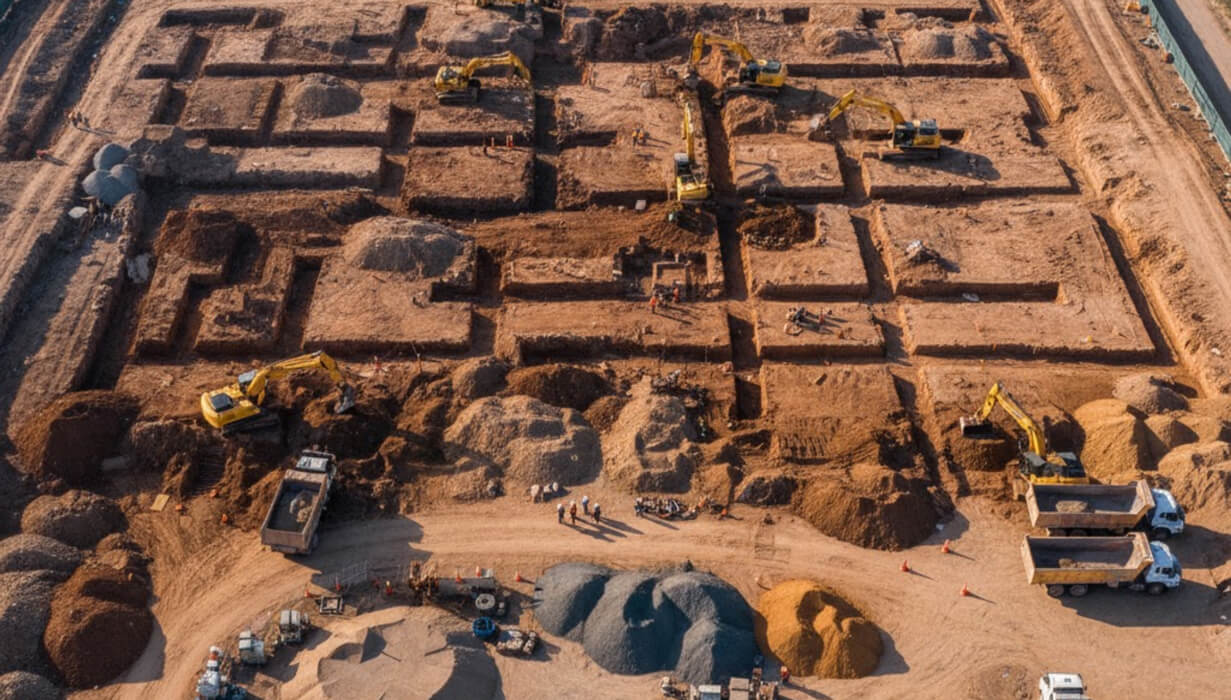
If you’ve ever watched a construction crew break ground on a jobsite, you know excavation looks intense, big machines, deep trenches, piles of dirt, and a lot of coordination. But if you’re new to construction or planning work on your own property, the details of what excavation services actually involve can feel confusing. You might wonder: Is excavation just digging? Why is it so regulated? And what exactly happens before foundations, utilities, and landscaping can begin?
Understanding excavation services is far more important than most people realize. These services set the stage, literally, for every structure we rely on daily, from homes and driveways to roads, pools, drainage systems, and commercial buildings. Done properly, excavation creates safety, stability, and long-term durability. Done poorly, it leads to foundation cracks, drainage failures, collapses, and costly repairs.
This beginner-friendly guide breaks everything down so you know exactly what excavation involves, why it matters, and how to choose skilled professionals for your project.
What Is the Meaning of Excavation Services?
Excavation services refer to the professional process of preparing land for construction, landscape development, or infrastructure installation through controlled digging, grading, and soil removal. These services include analyzing the terrain, clearing obstacles, digging trenches, shaping the land, and stabilizing the ground before any building begins.
Common project types that rely on excavation services include:
- Foundations
- Utility lines
- Septic and drainage systems
- Driveways and walkways
- Retaining walls
- Swimming pools
- Landscape reshaping and grading
A trained excavation contractor evaluates soil type, slope, underground utilities, drainage patterns, and local regulations before any equipment touches the ground. Safety is a major priority, as excavation exposes crews to unstable soil, cave-ins, and buried utility lines.
Excavation services also include backfilling, compacting soil to prevent settling, and grading land so water flows away from structures. In short, proper excavation creates a safe, level, and long-lasting foundation for everything built afterward. Without quality excavation services, even the most well-designed construction project is vulnerable to failure.
Why Excavation Services Matter in Your Area
In many communities, especially those with clay-heavy, sandy, or shifting soil types, excavation services aren’t just a first step. They’re a protective measure.
Areas with heavy seasonal rainfall depend on accurate grading and trenching to prevent flooding and foundation damage. Local contractors understand how regional soil behaves: how it drains, how it shifts, and how it reacts to extreme temperatures. That knowledge helps them anticipate risks long before they turn into expensive repairs.
If you’ve ever seen a yard sink after heavy rain or a driveway crack due to improper compaction, you’ve witnessed what happens when excavation services are rushed or overlooked. A skilled local crew ensures safety, compliance, proper drainage, and long-term stability.
What Are the 5 P’s of Excavation?
The “5 P’s of excavation” help ensure safe, accurate, and efficient excavation services:
1. Planning
Evaluating soil conditions, locating utilities, determining water flow, assessing site access, and defining project goals.
2. Preparation
Marking utilities, creating a digging plan, gathering equipment, and organizing the jobsite layout.
3. Prevention
Reducing risks such as cave-ins, collapses, and equipment hazards using proper shoring and safety procedures.
4. Protection
Safeguarding workers, surrounding properties, and underground utilities throughout the excavation process.
5. Performance
Executing digging, hauling, grading, and compacting according to engineering and safety standards.
These steps help homeowners compare bids and understand how professional excavation services should operate.
What Are the Basics of Excavation?
The basics of excavation include:
- Evaluating the soil
- Clearing vegetation and debris
- Digging to the correct depth and shape
- Compacting the soil
- Ensuring proper drainage and grading
Every excavation job begins with surveying and marking boundaries, hazards, and utility locations. Crews then clear away rocks, brush, or debris before excavators, backhoes, skid steers, and graders move in.
After digging, soil is backfilled and compacted so future structures remain stable and do not settle. Grading ensures water flows away from foundations rather than pooling around them.
These fundamentals form the backbone of safe, effective excavation services.
What Is the 5-4-3-2-1 Rule for Excavation?
This simple excavation safety rule helps crews remember key jobsite priorities:
- 5: Maintain a 5-foot safe zone around trench edges.
- 4: Keep excavated soil at least 4 feet from the trench.
- 3: Provide a ladder or safe access every 3 feet of depth.
- 2: Manage water properly to prevent cave-ins.
- 1: Limit trench occupancy to 1 person unless conditions are fully stabilized.
While OSHA provides more detailed requirements, this mnemonic reinforces essential safety practices used in professional excavation services.
What Are the OSHA Rules for Excavation?
OSHA enforces strict excavation standards to prevent cave-ins, falls, equipment hazards, and flooding. Key requirements include:
- Trenches 5 feet or deeper must use protective systems (shoring, shielding, or sloping).
- Excavations must be inspected daily by a competent person.
- Ladders or ramps are required at depths of 4 feet or more.
- Spoil piles must be kept far from the excavation edge.
- Utilities must be located and marked before digging.
- Workers must be trained in hazard recognition and emergency procedures.
You can explore the full guidelines here at OSHA. These rules ensure excavation services are performed safely and legally, protecting both workers and property owners.
Step-By-Step: What to Expect When You Hire an Excavation Service
1. Initial Evaluation
A contractor visits your property, reviews your project goals, evaluates soil conditions, and identifies utility lines.
2. Written Estimate
You receive a clear proposal outlining depth, equipment, materials, timeline, and total cost.
3. Permits & Planning
The team handles local permits and prepares the jobsite layout.
4. Site Clearing
Brush, trees, rocks, and debris are removed.
5. Digging & Trenching
Excavators, trenchers, and related machinery create space for foundations, utilities, drains, or landscape features.
6. Backfilling & Compaction
Soil is placed and compacted to prevent settling and improve stability.
7. Final Grading
Proper grading ensures water drains away from the structure, protecting your long-term investment.
With an experienced crew, this entire process is efficient, organized, and clean from start to finish.
Final Thoughts
Excavation may seem like “just digging,” but it’s one of the most crucial phases of any construction, landscaping, or utility project. Proper excavation services determine how well your foundation holds, how your drainage system performs, and how safe your property remains over time.
Whether you’re preparing for a new build, replacing utilities, or reshaping your land, partnering with trained excavation professionals ensures the job is completed safely, efficiently, and with lasting results.
Ready to Begin Your Excavation Project?
If you want clear communication, reliable scheduling, and high-quality workmanship, reach out to Lazer Companies LLC. Their experienced crew provides dependable excavation services for projects of all sizes. Contact them today to discuss your goals and get expert support from start to finish.
Follow their social media pages below: